Architecture & Visual Arts
The intersection between architecture and the visual arts is where structural engineering meets human emotion. Far beyond merely designing functional shelters, architecture is a profound visual art form that shapes how we experience our communities, our workplaces, and our homes. Whether it is the sweeping curves of a modern museum or the meticulously restored facade of a historic civic building, the visual aesthetic of our built environment directly influences our daily lives.
For students, developers, and design enthusiasts, understanding this dynamic relationship can seem daunting. The field encompasses an incredibly diverse range of disciplines: from the initial graphite sketches on tracing paper to complex digital modelling, and from navigating strict heritage conservation laws to integrating living ecosystems within high-rise corporate spaces. This comprehensive resource aims to demystify these interconnected subjects, providing you with a solid foundation to explore the captivating world of architectural design and visual arts.
Urban Regeneration Through Cultural Hubs and Arts Districts
One of the most powerful applications of architecture and visual arts is their ability to breathe new life into declining urban areas. Independent art studios, galleries, and mixed-use creative zones often act as the primary catalysts for urban regeneration, frequently driving community renewal faster than traditional retail parks.
Boosting Commercial and Social Value
When property developers intentionally integrate public art and cultural spaces into their masterplans, the benefits extend far beyond simple aesthetics. These visual arts districts foster community identity, enhance creative learning for local youth, and significantly boost commercial property values. A successful cultural hub generally provides:
- A magnet for foot traffic that supports local independent businesses and cafes.
- Open-plan studio layouts that encourage cross-disciplinary collaboration among artists and students.
- A distinctive neighbourhood identity that attracts further investment and tourism.
Navigating the Gentrification Pitfall
However, this rapid regeneration presents a complex challenge: the gentrification cycle. As neighbourhoods become visually appealing and culturally rich, property values soar, often displacing the very artists and independent creatives who initially revitalised the area. To sustain long-term growth without losing their cultural soul, cities must carefully balance purpose-built creative centres with affordable, protected mixed-use zones. Initiating public consultations early in the planning phase is crucial to ensure that a new cultural hub serves the existing community rather than alienating it.
Breathing New Life Into Historic and Industrial Buildings
Preserving our architectural heritage while adapting spaces for modern, high-tech use is a delicate art. Repurposing abandoned industrial warehouses into profitable art spaces or retrofitting Victorian civic buildings for multimedia exhibitions requires a deep understanding of both historical preservation and contemporary engineering.
Modernising Under Grade II Listed Consent
In the UK, altering historic properties legally under Grade II listed consent requires meticulous planning. Local conservation officers are tasked with protecting the architectural integrity of the past. Common challenges include:
- Glazing restrictions: Standard double-glazing applications are frequently rejected, requiring bespoke secondary glazing solutions that respect original timber frames.
- Concealing modern infrastructure: Sneaking modern HVAC systems behind original Georgian plaster cornices demands highly specialised structural interventions.
- Material authenticity: Deciding between reclaimed antique bricks and bespoke colour-matched new bricks can determine whether a local council approves a vital extension.
Inviting the heritage officer for an initial pre-application site visit can prevent costly, unapproved cement mistakes that force property owners to rebuild walls at their own expense.
The Acoustic Challenge in Shared Spaces
When converting sprawling, hard-surfaced industrial sites into shared cultural hubs, acoustics are frequently overlooked. The acoustic oversight of failing to install proper dampening materials can entirely ruin spoken word performances or theatrical readings in these cavernous environments. Successful retrofitting must therefore blend visual aesthetics with invisible acoustic engineering.
Bridging Traditional Drafting and Digital Workflows
Despite the rapid advancement of technology, the architectural workflow remains deeply rooted in traditional visual arts. The transition from physical modelling to digital environments is a critical phase where artistic vision translates into buildable reality.
The Enduring Power of Hand-Drawn Concept Sketches
Before any concrete is poured, an idea must be communicated. Interestingly, hand-drawn concept sketches often secure more client approvals than hyper-realistic 3D renders during the early stages of a project. A physical sketch invites collaboration; it feels fluid and open to suggestion, whereas a polished digital render can appear finalised and intimidating.
However, archiving and scaling these physical drawings presents challenges. When digitising large-format vellum drawings, architects must carefully manage scaling discrepancies that can ruin transitions from tracing paper to Computer-Aided Design (CAD). Choosing between traditional ink pens and graphite lead often dictates how cleanly a document scans for digital preservation.
Mastering 3D Building Data and Clash Detection
Once the concept is approved, precision becomes paramount. Relying on isolated 2D blueprints inevitably leads to disastrous plumbing or electrical collisions on-site. Modern architecture relies on sophisticated software, such as Revit or ArchiCAD, to integrate architectural, structural, and Mechanical, Electrical, and Plumbing (MEP) models into one flawless master file.
- Establish a rigid version control protocol to prevent contractors from building from outdated specifications.
- Integrate all discipline-specific models into a central master file.
- Run final automated clash detection reports before pouring any concrete to eliminate costly construction errors.
Integrating Biophilic Design and Arboreal Architecture
The visual arts are increasingly drawing inspiration directly from nature. Biophilic design—the integration of living plant systems into the built environment—is transforming high-density urban offices and luxury apartments. Studies show that green walls measurably reduce sick days in open-plan corporate environments by improving air quality and boosting mental well-being.
Engineering Indoor Ecosystems
Bringing nature indoors is an immense engineering feat. Installing a large indoor tree isn’t as simple as placing a pot in a lobby. Architects must engineer proper drainage systems to prevent catastrophic flooding of underlying IT departments. Furthermore, lighting miscalculations can easily destroy thousands of pounds worth of tropical flora, such as Ficus trees, in a matter of months if natural ambient light is insufficient.
High-Rise Green Facades
Taking greenery to the exterior of skyscrapers introduces even greater challenges, particularly in harsh, gale-force climates. To successfully implement high-rise arboreal facades, structural engineers must:
- Reinforce concrete cantilevers heavily enough to support up to 50 tons of wet soil.
- Select resilient species, weighing the benefits of evergreen conifers against deciduous broadleaves to resist urban pollution.
- Implement rigorous safety protocols, including inspecting the safety tethers on trees planted hundreds of feet in the air to prevent root instability during severe winds.
The Art of Architectural Photography and Spatial Staging
Once an architectural masterpiece is complete, it must be documented and presented to the world. Architectural photography is a specialised visual art that requires a deep understanding of spatial volume, geometry, and light. Commissioning fine art photography is proven to significantly increase luxury property valuations by conveying the true essence of a space.
Capturing Authentic Geometry and Light
Amateur real estate photography often relies on ultra-wide-angle lenses, which unfortunately destroy the intended geometry of a premium room, making spaces feel distorted and unnatural. To capture high-end finishes accurately, a photographer must choose between natural ambient light and subtle strobe flashes.
Staging also plays a critical role; carefully placing mid-century modern furniture can enhance the perceived spatial volume on camera. Finally, timing is everything. Knowing the exact golden hour to photograph a south-facing glass facade ensures the architecture is bathed in warm, flattering light, while avoiding twilight editing errors that can make a multi-million-pound home look like a cheap digital render.
The realm of architecture and visual arts is a continuous dialogue between form, function, and feeling. By understanding how these disciplines intersect—from the initial hand-drawn sketch to the final staged photograph—we can better appreciate the complex, beautiful spaces that frame our modern world. We invite you to explore the detailed articles in this category to deepen your expertise on each of these fascinating topics.

How to Use 3D Building Data to Eliminate Costly Construction Clashes
The solution to costly on-site clashes is not more software, but a rigorously enforced data management protocol that establishes a single source of truth from day one. Federate architectural, structural, and MEP models into a unified master file before any…
Lire la suite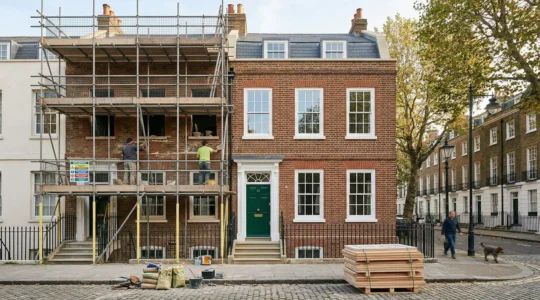
Modernising a Grade II Listed Property: A Conservation Architect’s Guide to Legal and Sympathetic Renovation
Successfully modernising a Grade II listed property hinges not on fighting the rules, but on mastering the art of ‘sympathetic intervention’—a strategic negotiation between modern ambition and historical integrity. Engage in collaborative pre-application dialogue with conservation officers before detailed plans…
Lire la suite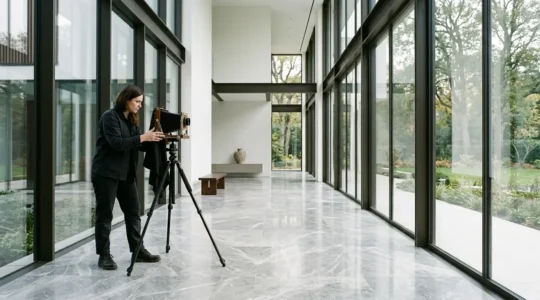
How to Commission Fine Art Photography to Increase Luxury Property Valuations?
To drastically increase a luxury property’s valuation, you must shift from standard real estate documentation to commissioning a fine art visual narrative. Technical mastery of light and composition is used not to make rooms look bigger, but to communicate architectural…
Lire la suite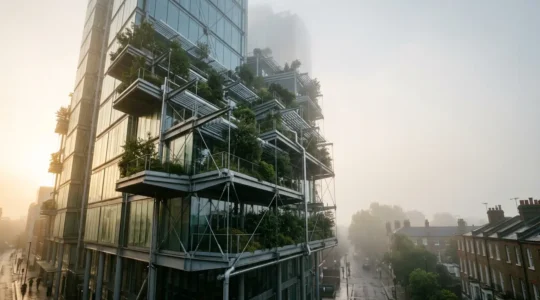
How to Engineer High-Rise Arboreal Facades to Survive the Harsh UK Climate?
An arboreal facade is not a garden; it is a high-load structural system where horticultural failure cascades into a public safety crisis. Success depends on engineering against failure modes, not on aesthetic intent. Wind load, saturated soil weight, and material…
Lire la suite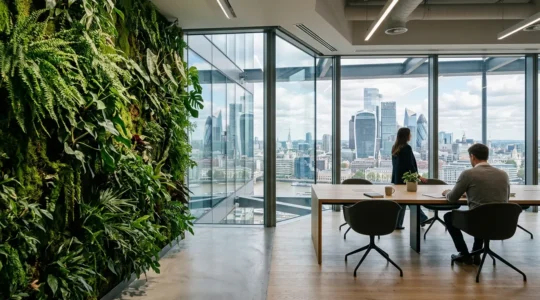
How to Integrate Living Plant Systems into High-Density London Offices?
Successfully integrating living systems into a London high-rise is an exercise in infrastructure engineering, not interior decorating, with direct impacts on asset value and talent retention. The primary benefits—reduced sick days and higher productivity—are quantifiable metrics that justify the initial…
Lire la suite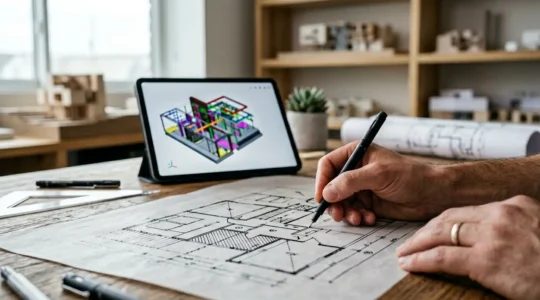
Rekindling the Architect’s Hand: Integrating Physical Drafting into Digital Workflows
The purely digital architectural workflow, while efficient, often produces sterile, uninspired buildings by sacrificing the cognitive depth and emotional resonance inherent in analog methods. Hand-drawn sketches foster a powerful emotional connection with clients, leading to quicker approvals and more collaborative…
Lire la suite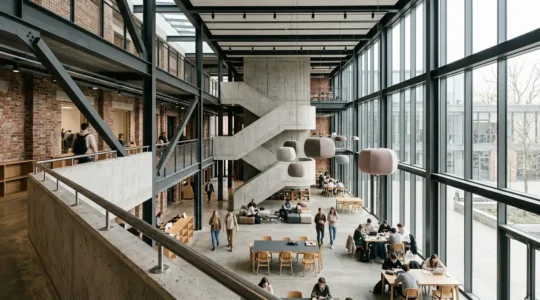
How Modern Architectural Design Can Unlock Creative and Economic Potential in UK Communities
Designing a community arts centre is not an expense, but a high-return investment in socio-economic regeneration. Strategic spatial design, including open-plan layouts and sophisticated acoustic zoning, directly drives creative collaboration and long-term usability. Integrating heritage sites and fostering independent studio…
Lire la suite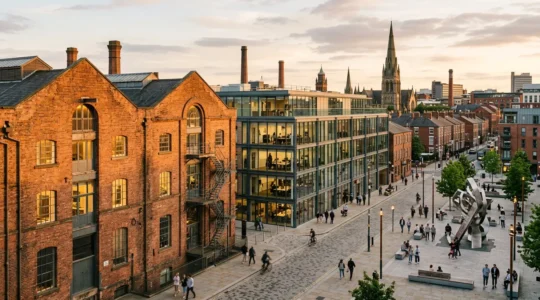
From Grit to Gain: How Visual Arts Districts Engineer Commercial Property Value in Northern UK Cities
Investing in visual arts districts is the most predictable way to engineer significant commercial property value uplift in post-industrial UK cities. Independent studio clusters create more resilient, diversified economic growth than monolithic retail parks. Managing gentrification proactively with UK-specific legal…
Lire la suite