Fashion & Design
The discipline of fashion and design represents a seamless blend of cultural expression, technical engineering, and strategic commerce. Whether developing bespoke sculptural garments for the red carpet or scaling commercial textile patterns for mass retail, understanding the underlying mechanics of the industry is essential.
Navigating this landscape requires more than just a keen aesthetic eye. Designers must master a complex ecosystem that includes digital pattern rendering, sustainable material sourcing, avant-garde garment construction, and rigorous commercial merchandising. From the initial spark of inspiration on a drawing tablet to the final placement on a department store rack, every step demands technical precision and strategic foresight.
Mastering Digital Textile Design and Printing
The foundation of modern fashion often begins in the digital realm. Transitioning freelance visual assets into licensed brand merchandising requires flawless technical execution to ensure the physical product matches the digital vision.
Vector Graphics and High-Resolution Scaling
When preparing complex vector files for industrial fabric printing machines, the choice of software and scaling method is critical. Mathematical path algorithms consistently outperform standard pixel scaling for large prints, ensuring that edges remain crisp regardless of the garment’s size. A common workflow dilemma involves choosing between desktop vector suites and iPad drawing tools; while tablets offer intuitive illustration, desktop suites generally provide superior file management for industrial scaling.
To avoid production delays, designers must follow a strict digital preparation process:
- Finalise the artwork dimensions and establish the exact repeating pattern parameters required by the manufacturer.
- Identify the crucial moment to convert live fonts into outlined shapes to prevent typography rendering errors on the commercial printer’s end.
- Export the files using the precise colour profiles and vector formats dictated by the production facility.
Colour Accuracy in Fabric Printing
A beautifully designed flat-colour character might look stunning on a monitor, but translating it to fabric introduces significant challenges. A notorious issue is the CMYK conversion error, which frequently mutates vibrant screen colours when applied to printed silk. Because backlit screens display a wider RGB colour gamut, designers must utilise calibrated physical colour swatches and conduct small-batch test prints before committing to high-volume production. Interestingly, flat-colour character designs transfer far better to embroidered merchandise, where the physical thread inherently guarantees colour stability.
Intellectual Property and Merchandising Assets
For independent artists and designers, protecting digital character designs and visual assets is just as important as creating them. Misunderstanding intellectual property rights can severely limit long-term revenue streams and brand growth.
Protecting Your Creative DNA
Knowing exactly when to officially register your digital assets as UK trademarks can be the difference between building a legacy brand and losing your work to high street imitators. Many emerging creators fall into the exclusive usage trap, signing overly broad contracts that inadvertently prevent them from selling their own prints independently. Securing your intellectual property ensures you retain ultimate control over how and where your art is distributed.
Navigating Royalties and Retail Contracts
When negotiating with major retail chains, designers must carefully weigh their compensation models. Building sustainable passive income often hinges on this fundamental choice:
- Flat Fee Commissions: Provides immediate, guaranteed capital, which is highly useful for funding upcoming collections, but it entirely eliminates future earnings if the product becomes a runaway bestseller.
- Percentage Royalties: Offers long-term revenue tied directly to sales performance, though it requires meticulous auditing of the retailer’s sales reports and a strong initial contract.
Sourcing Sustainable and Innovative Fabrics
With consumers becoming increasingly discerning, traditional fabric sourcing is no longer sufficient. Discerning buyers now actively refuse to purchase non-organic silk garments, demanding transparency and genuine environmental responsibility from independent labels.
Navigating Natural and Biodegradable Materials
Choosing the right eco-fabric dramatically impacts both the drape of the garment and its longevity. For evening wear, designers frequently compare bamboo viscose and organic hemp, balancing luxurious drape against the agricultural footprint. However, natural materials require precise care. For instance, natural mycelium leathers are highly innovative but tend to degrade faster in humid British wardrobes, while a simple storage mistake can easily cause moths to devour an expensive organic wool coat.
When managing the lifecycle of biodegradable luxury garments, brands must actively educate their consumers on:
- How to properly clean water-sensitive biodegradable couture without ruining its architectural shape.
- The exact storage conditions required to ensure the natural garment survives daily commutes (often comparing the durability of algae-based yarn against traditional organic linen).
- When a garment is truly ready to be safely and effectively composted at the end of its wearable life.
The Reality of Recycled Synthetics
Manufacturing luxury wearable garments from recycled ocean plastics presents a compelling narrative, but it comes with hidden technical hurdles. Upcycled synthetics often trap more heat than traditional polyester blends, requiring designers to soften rigid recycled polymers to ensure comfortable skin-contact fashion. Furthermore, the catastrophic microplastic shedding error during domestic washing can completely negate the environmental benefit of your collection. Brands must carefully evaluate whether mechanical or chemical recycling retains better tensile strength for high-stress items like tailored jackets.
Failing to verify the true supply chain of so-called ethical cotton suppliers often leads to the ultimate greenwashing mistake, a crisis that can destroy a small fashion label’s reputation overnight. Transparency must remain the cornerstone when introducing upcycled materials into a core commercial product line.
Engineering Avant-Garde and Kinetic Couture
Pushing the boundaries of fashion often involves bridging the gap between artistic garment design and mechanical engineering. Avant-garde silhouettes routinely generate significantly more media coverage than classic dresses, making them a powerful tool for securing press and establishing brand identity.
Sculptural Silhouettes and Structural Integrity
Commissioning bespoke sculptural garments for maximum red carpet press requires rigorous planning. The architecture of a couture gown relies heavily on its foundation; a single undergarment flaw can completely ruin the structural integrity of the silhouette. When a designer is building a 30kg dress, communicating movement constraints to the wearer is absolutely vital. Initial fittings for such bespoke creations must begin months in advance to avoid disastrous last-minute structural failures before a major event.
Integrating Wearable Technology
Integrating moving mechanical elements into wearable runway fashion creates unforgettable spectacles, but it introduces significant electrical and physical risks. Designers must carefully evaluate their kinetic systems:
- Electronic Servomotors: Precise but often heavy, these motors can completely destroy the delicate drape of lightweight fabrics like chiffon if not properly isolated within the garment’s structure.
- Pneumatic Systems: Generally offer smoother, more organic fabric transitions, though they require complex tubing networks that can be difficult to conceal.
Additionally, hiding bulky battery packs inside the seams of a slim-fit jacket requires masterful tailoring. Avoiding the dreaded wiring mistake that causes kinetic dresses to short-circuit under hot stage lights is paramount. The designer must precisely time when to trigger the mechanical transformation to maximise audience gasps and media impact.
The Business of Fashion: From Runway to Retail
A standing ovation at a runway presentation does not automatically translate to commercial success. Translating extreme avant-garde shapes into commercially viable collections is the true test of a brand’s longevity and business acumen.
Maximising Runway ROI
Whether choosing the official Paris schedule or an off-schedule presentation, generating exposure is only the first step. The critical work happens immediately after the show. Following up with VIP buyers after a chaotic 10-minute presentation requires a finalised line sheet to capitalise on the post-show momentum. Department stores frequently ignore conceptually brilliant collections if they lack a clear pricing strategy. Furthermore, misjudging your own production capacity can force you to cancel a massive wholesale order, permanently burning bridges with key retail partners.
Translating Avant-Garde for the Mass Market
Taking a runway hit to the high street requires strategic distillation. Oversized sculptural shoulders that look incredible on a runway model often fail miserably on standard retail racks. The ultimate goal is to scale down extreme proportions while rigorously retaining the original design DNA.
When mass-market brands attempt to capture these trends, they must choose between direct replication or subtle inspiration. However, a common pitfall is the fabric substitution flaw; swapping high-quality textiles for cheap synthetic alternatives makes high-fashion knockoffs look embarrassingly cheap. Ultimately, timing is everything. Knowing exactly when to drop trend-heavy silhouettes into stores allows brands to catch peak consumer demand perfectly, turning runway buzz into tangible retail profit.
The landscape of fashion and design is an intricate tapestry of artistic vision, technical problem-solving, and commercial strategy. By mastering digital scaling, respecting intellectual property, innovating with sustainable textiles, and understanding the retail translation of avant-garde concepts, designers can build resilient and culturally impactful brands. Success in this dynamic industry requires a commitment to continuous learning and an unwavering dedication to both the craft and the consumer.
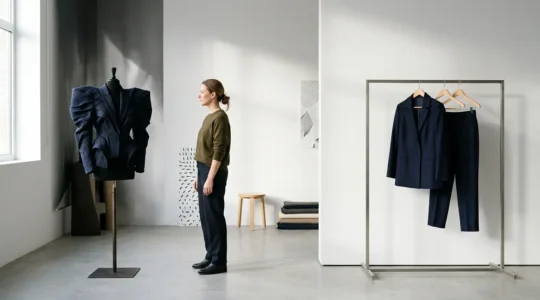
How to Translate Extreme Avant-Garde Shapes into Commercially Viable Collections?
The key to commercialising avant-garde fashion isn’t ‘toning it down’; it’s a disciplined process of strategic deconstruction to isolate a single, potent design element and rebuild the garment around it for a specific market tier. Success hinges on identifying the…
Lire la suite
How to Leverage Paris Runway Exposure to Secure Major UK Retail Orders?
Your Paris show doesn’t guarantee a single UK order; a flawless post-show commercial strategy does. Flawless, UK-specific landed cost pricing is the non-negotiable entry ticket to any conversation with a major buyer. Your production capacity and logistical readiness must be…
Lire la suite
The Physics of Transformation: How to Engineer Moving Mechanics into Runway Fashion
Creating a transformative runway garment isn’t about aesthetics; it’s a battle against physics where mastering the conflicts of mass, heat, and power is the only path to true kinetic magic. The weight of an actuator creates a torsional load that…
Lire la suite
How to Commission Bespoke Sculptural Garments for Maximum Red Carpet Press?
Stop thinking about a red carpet dress as an outfit; start treating it as a meticulously engineered media asset designed to generate quantifiable press coverage. Avant-garde, sculptural silhouettes are not just an aesthetic choice; they are a strategic tool proven…
Lire la suite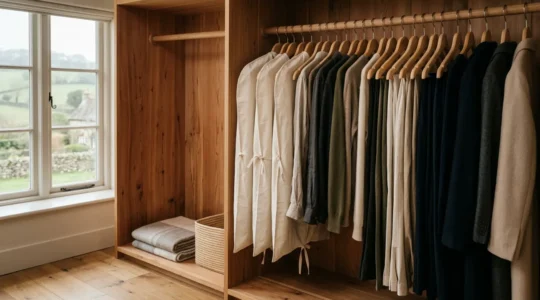
How to Manage the Durability of Compostable Luxury Garments in the UK
Investing in a compostable luxury garment doesn’t mean accepting its premature demise, especially in the damp UK climate; it means becoming a knowledgeable custodian. Proactive microclimate control in your wardrobe is non-negotiable to halt unwanted degradation of materials like mycelium…
Lire la suite
How to Manufacture Luxury Wearable Garments from Recycled Ocean Plastics?
Achieving true luxury with ocean plastic isn’t about marketing; it’s about mastering the material at a molecular level to engineer superior aesthetic and tactile quality. Mechanical finishing and chemical recycling are the keys to unlocking a premium haptic signature and…
Lire la suite
How to Source Sustainable Luxury Fabrics for Independent UK Fashion Labels?
For UK luxury designers, true sustainability isn’t about using generic ‘eco’ materials; it’s about mastering forensic verification and technical performance to build a brand that discerning consumers trust. Vague claims are a liability. Verifiable certifications (like GOTS Transaction Certificates) are…
Lire la suite
How to Transition Your Freelance Visual Assets into a Licensed Merchandising Empire
The key to escaping the freelancer’s ‘time-for-money’ trap isn’t creating more art, but strategically engineering your existing portfolio into licensable IP assets. Your art’s commercial value is determined by its manufacturing viability and pricing strategy, not just its aesthetic appeal….
Lire la suite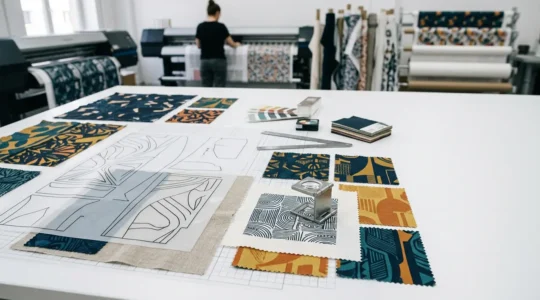
Scaling Commercial Textile Patterns: A Technician’s Guide to Flawless Resolution
The flawless scaling of textile patterns is not a design task, but a technical discipline of digital-to-physical translation that anticipates and neutralizes production failures before they occur. Vector-based mathematical paths are non-negotiable as they maintain perfect resolution at any scale,…
Lire la suite