Exhibitions & Galleries
Stepping into the world of Exhibitions & Galleries can often feel like entering a beautifully curated but highly secretive ecosystem. Whether you are admiring a contemporary canvas in a pristine white cube or exploring a meticulously archived fashion retrospective, the mechanisms operating behind the scenes dictate everything from the artwork’s price to its historical legacy. Understanding these dynamics transforms a casual viewer into an informed participant.
The art ecosystem operates on a delicate balance of aesthetics, commerce, and preservation. From the unspoken rules of commercial spaces to the rigorous demands of museum-grade archiving, mastering this landscape requires both cultural appreciation and tactical knowledge. This resource unveils the critical frameworks that shape how art and historical artifacts are selected, displayed, and ultimately acquired by passionate collectors and institutions.
Navigating the Commercial Art World: From Novice to Patron
Transitioning from a casual museum visitor to an active collector involves mastering a specific set of social and financial protocols. The commercial gallery sector, particularly in high-end districts, relies heavily on vetted relationships rather than simple transactional exchanges.
Understanding Gallery Etiquette and Access
Many emerging collectors wonder why top-tier galleries often ignore inquiries from unverified buyers. In the high-stakes art market, dealers act as protective custodians for their artists. They prioritise placing works with established patrons who will enhance the artist’s long-term career rather than speculative buyers. To bridge this gap and gain access to the coveted hidden back room, newcomers must demonstrate genuine interest and reliability.
- Start with institutional support: Memberships to major national galleries serve as an excellent stepping stone, signalling your commitment to the cultural sector.
- Leverage smaller acquisitions: Purchasing works on paper or attending graduate degree shows are effective ways to build a track record before requesting access to premier canvases.
- Master the social nuances: Avoid aggressive follow-ups after private viewings. Instead, engage in meaningful conversations about the artist’s practice during studio visits or gallery openings.
Smart Acquisition Strategies
Allocating an annual acquisition budget requires strategic foresight. Buyers must constantly weigh the benefits of working with an independent art advisor against building direct relationships with gallerists. While an advisor might save money by negotiating favourable terms and preventing novices from overpaying for prints, direct engagement often yields stronger, more personal connections with the creators.
When considering pricing, requesting a discount on contemporary pieces is a standard practice, but it must be done with tact. It is generally acceptable to inquire about an industry courtesy or a collector’s consideration, provided the approach respects the artist’s market value. Furthermore, joining a patron syndicate can significantly maximise your cultural impact, allowing a group of enthusiasts to pool resources and fund ambitious, niche exhibitions.
The Art of Curation: Crafting Compelling Narratives
Behind every memorable exhibition lies a rigorous curatorial vision. The arrangement of artworks is never accidental; it is a calculated effort to engage modern audiences and provoke critical thought. The choice between a chronological timeline and a thematic display can drastically alter the viewer’s emotional journey.
Thematic Cohesion vs. Chronological Display
While chronological setups offer a straightforward historical progression, thematic curation often provides deeper, more resonant connections for the audience. However, curators must be wary of thematic inconsistency, which can rapidly dismantle the narrative flow of group shows. When diverse pieces are forced into a rigid conceptual framework, the exhibition risks losing its authentic voice.
The Impact of Guest Curators
Institutions frequently debate whether to rely on in-house staff or hire external voices. Bringing in an independent guest curator can breathe fresh life into obscure collections. These specialists often recontextualise mid-career painters, sometimes inadvertently doubling their market asking price by providing a novel, highly regarded academic perspective. Securing external funding, such as arts council grants, is often easier when an exhibition boasts a specialised, internationally recognised curator at the helm.
Preserving Ephemeral Experiences: The Digital Frontier
Exhibitions are inherently temporary, but modern technology ensures their legacy endures long after the physical doors close. Archiving these ephemeral events for global, remote access has become a paramount concern for major institutions and independent spaces alike.
Virtual Reality and Photogrammetry
Choosing the right digital preservation method depends heavily on the available budget and the desired user experience. While interactive 360-degree photography suits smaller budgets, fully modelled virtual reality offers unparalleled immersion.
- Photogrammetry scans: This technique preserves the exact curatorial intent, capturing spatial relationships better than traditional video tours.
- Lighting and rendering: A common technical hurdle is the digital lighting rendering, which can make heavily textured virtual oil paintings appear flat. Advanced mapping is required to maintain the impasto effect.
- Timing the scan: The best time to digitise a physical exhibition is typically during the final installation phase, just before the public opening, ensuring pristine conditions without disrupting visitor flow.
Fashion Curation: Elevating Garments to Museum Grade
The intersection of fashion and museum curation presents unique logistical and narrative challenges. Displaying a designer’s archive is no longer just about aesthetics; curators now prioritise narrative depth, exploring the sociological and historical context of the garments.
Conservation and Display Challenges
Securing institutional display space for a sprawling, multi-decade wardrobe archive requires museum-grade cataloguing standards. Every piece must be meticulously documented regarding its provenance, fabric composition, and historical significance.
- Meticulous cataloguing: Implementing a unified database that tracks the condition and history of each garment.
- Appropriate structural support: A frequent error in fashion exhibits is improper mannequin selection, which can warp delicate historical garments out of shape. Custom-made forms are essential.
- Defining the legacy: For living designers, deciding when to begin donating key pieces to national archives is a pivotal career move. A well-curated solo exhibition often cements a designer’s legacy much faster than participation in broad, thematic group shows.
Ultimately, the realm of Exhibitions & Galleries is a complex matrix of creation, commerce, and conservation. By understanding the rigorous standards of curation, the nuances of gallery etiquette, and the innovative strides in digital archiving, enthusiasts can confidently engage with art and fashion. This deeper comprehension not only enriches the personal viewing experience but also empowers individuals to actively shape the cultural landscape as informed patrons and advocates.
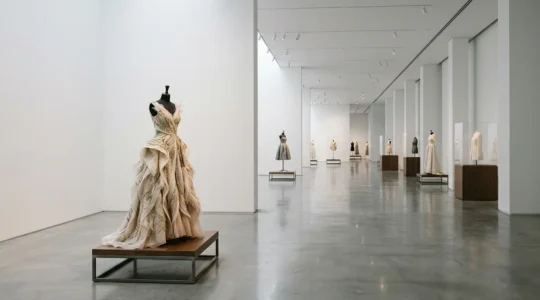
How to Secure Institutional Display Space for a Fashion Designer’s Archive?
Securing a place in an institution like the V&A is not about the aesthetic value of your garments, but about the academic and narrative power of your archive. Curators acquire collections that function as scholarly resources capable of generating new…
Lire la suite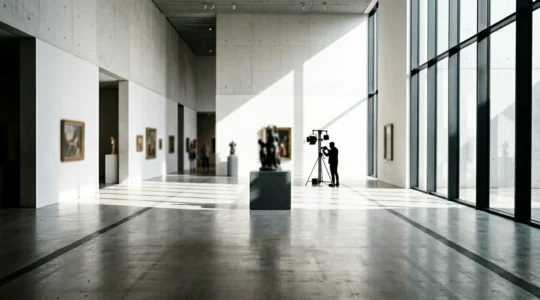
How to Archive Ephemeral Exhibitions for Global Remote Access Post-Closure?
The true archival of a temporary exhibition lies not in creating a disposable VR tour, but in building a sovereign, permanent digital asset that preserves curatorial intent for generations. Photogrammetry is non-negotiable for capturing the material truth of objects, far…
Lire la suite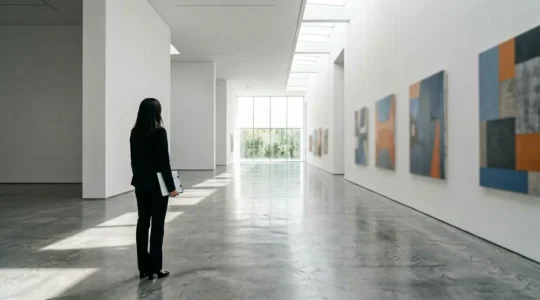
How Do Independent Curators Increase the Financial Value of Obscure Collections?
A curator’s primary role isn’t merely organizing art; it’s architecting its financial value by transforming perception into a quantifiable asset. They achieve this by establishing a cohesive thematic narrative that the market can understand and price. They create digital permanence…
Lire la suite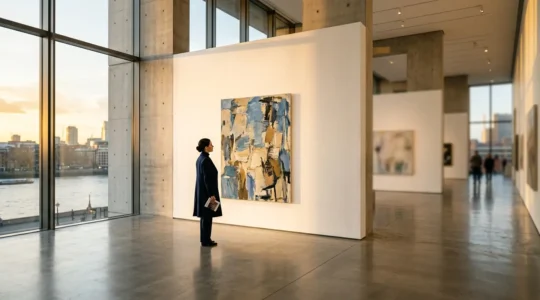
How to Transition from Casual Museum Visitor to Active Patron in London?
Transitioning into London’s art patronage circles is less about financial might and more about strategic engagement and building cultural capital. Begin with foundational steps like a Tate membership to gain structured access and understand the institutional ecosystem. Develop your collector’s…
Lire la suite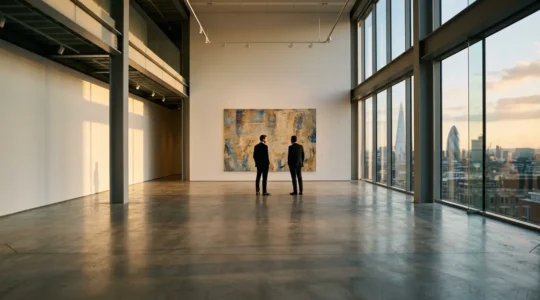
How to Cultivate Meaningful Relationships with UK Gallerists for VIP Access
Accessing London’s inner art circle is a social chess game where strategic commitment and cultural capital consistently outperform simple purchasing power. Building a relationship ledger through small, strategic purchases is more effective than waiting for a blockbuster acquisition. Genuine engagement…
Lire la suite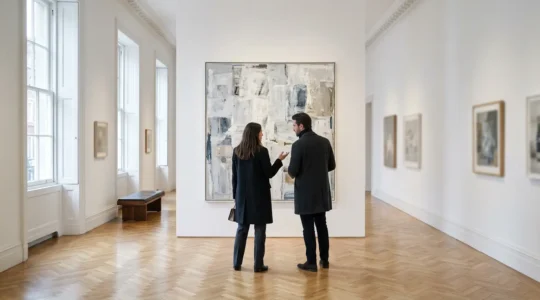
How to Approach London Fine Art Galleries for Your First £5,000 Purchase?
Contrary to popular belief, a £5,000 budget is not your entry ticket into London’s serious art scene; it’s the price of your audition. Elite galleries are not retail spaces; they are curated networks that prioritise long-term relationships over one-off sales….
Lire la suite