Exploring the diverse ecosystem of contemporary art and visual culture
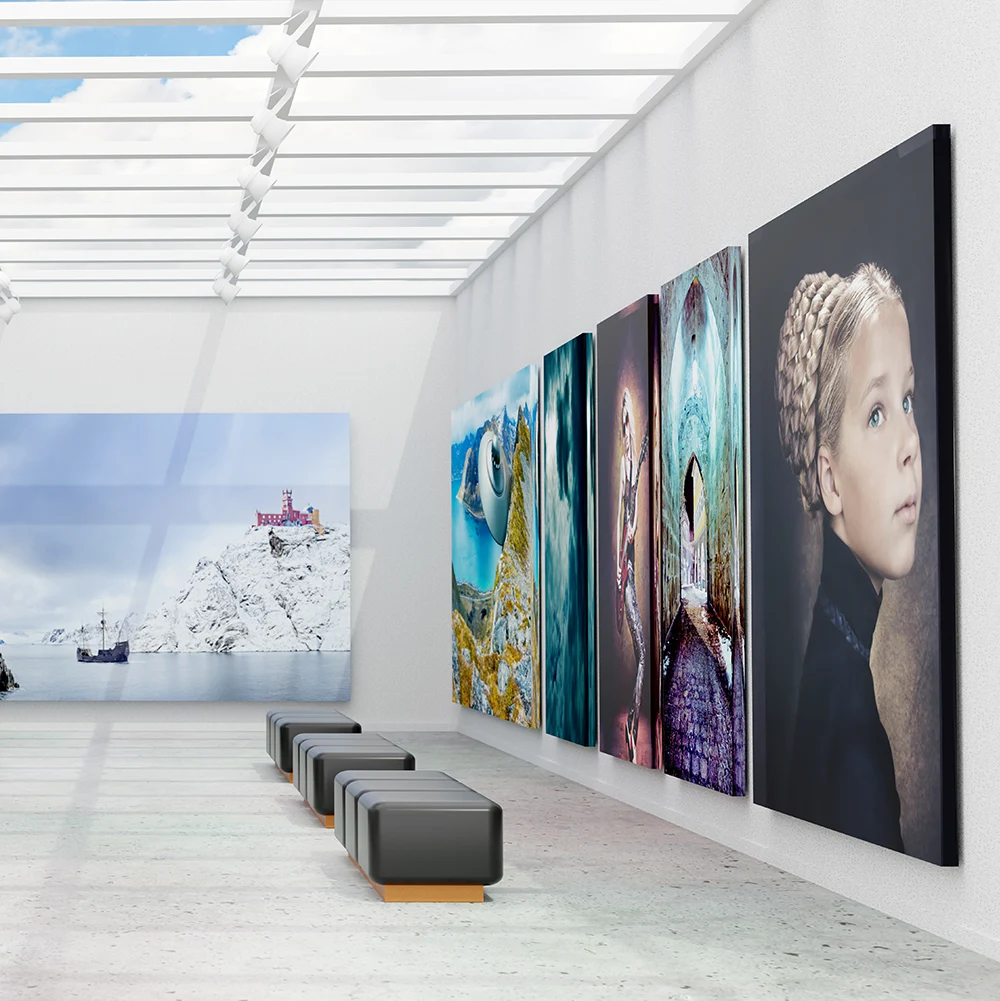
Technological art frontiers
Art and technology: a digital creative fusion

The convergence of aesthetics and engineering drives groundbreaking creative expression. Generative design software empowers creators to transcend traditional media, while immersive VR environments provide novel dimensions for sensory exploration. Machine learning is now harnessed to synthesize unique visuals, redefining concepts of authorship and digital innovation.

Advanced digital art creation tools
Vector graphics software and raster apps enable designers to render intricate digital illustrations, blending analog techniques with computational precision.

Virtual reality spatial art experiences
Systems like Tilt Brush let sculptors paint in virtual reality, building volumetric assets that audiences can navigate spatially from within.

AI-generated algorithmic artwork
Neural network models like GANs utilize code to generate autonomous imagery, sparking debate regarding algorithmic creativity and artificial intelligence ethics.
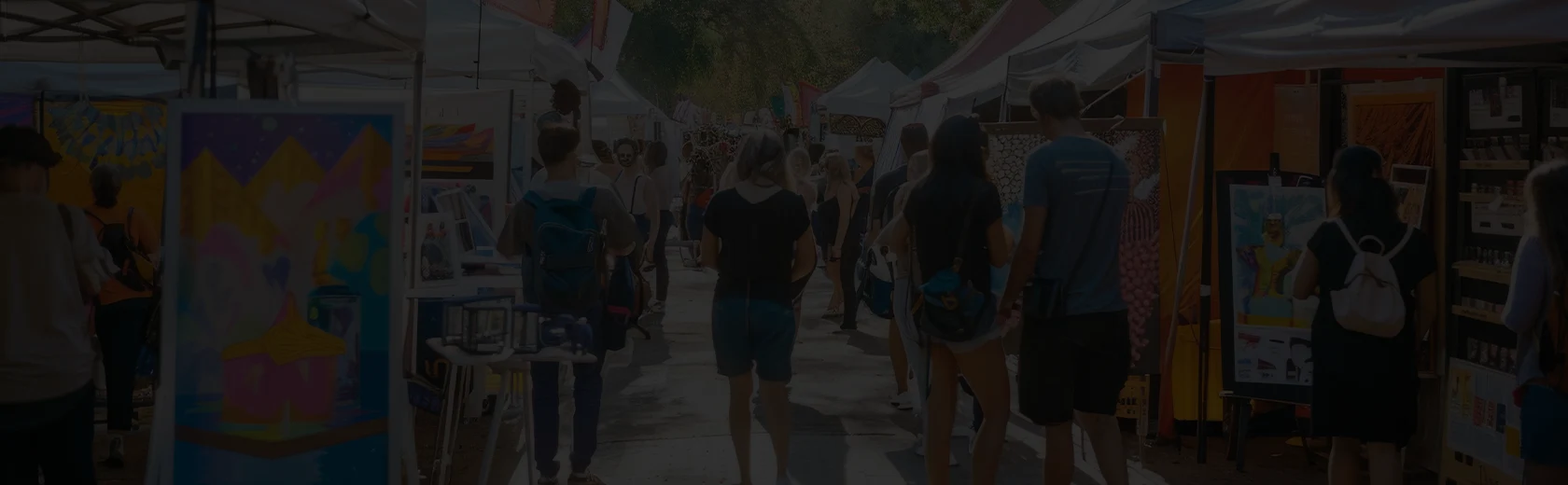
Global art market dynamics
Investing in the contemporary art market
The art trade has shifted through digital auction platforms and fintech integration. Online bidding democratizes asset acquisition, while NFT blockchain verifies provenance authentication. Art investment portfolios now leverage predictive market analytics, guiding collectors toward high-value acquisitions within a volatile, rapidly modernizing global economy.
Fashion as sculptural art form
Fashion design: wearable art and sustainable textile innovation

Eco-conscious fashion trends
Eco-conscious textile breakthroughs reshape luxury apparel. Couturiers integrate upcycled polymers and biodegradable fibers into seasonal collections, fusing aesthetic elegance with strict environmental responsibility.
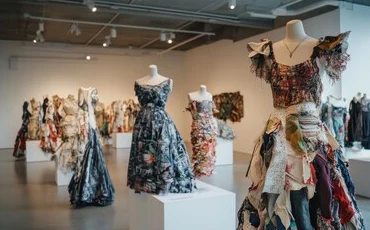
Wearable avant-garde art pieces
Avant-garde stylists dissolve boundaries between haute couture and sculpture, constructing garments as kinetic installations. These conceptual pieces question sartorial norms, often appearing in museum retrospectives alongside fine art.

Global Fashion Week highlights
Global fashion weeks in Paris, Milan, and New York dictate industry forecasts, revealing runway silhouettes that mirror current societal shifts and visual culture trends.
Urban canvas: street art murals and public installations
Graffiti culture and creative cityscapes
Modern architectural innovations
Architecture and visual arts: designing the built environment
Structural design shapes the global visual and cultural built environment. Biophilic architecture drives modern construction, with landmarks like Milan’s Vertical Forest integrating flora into urban edifices. Architectural photography is now a distinct art discipline, capturing the dialogue of light, geometric form, and spatial volume. Heritage restoration safeguards historical landmarks, while BIM rendering tools allow civil engineers to simulate and refine complex facades before site development commences, ensuring project viability.
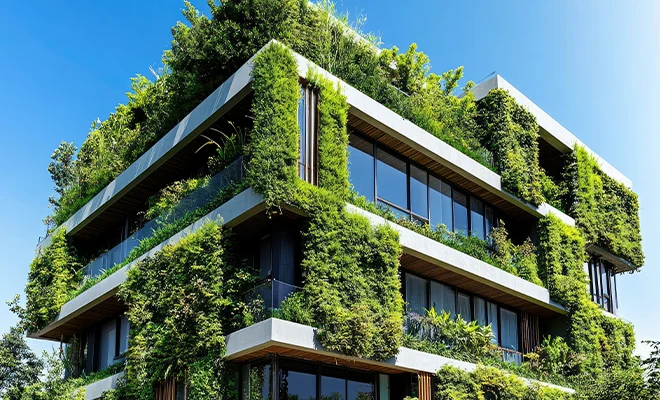
LEED certified sustainable architecture
Green construction standards prioritize energy efficiency and carbon footprint reduction.
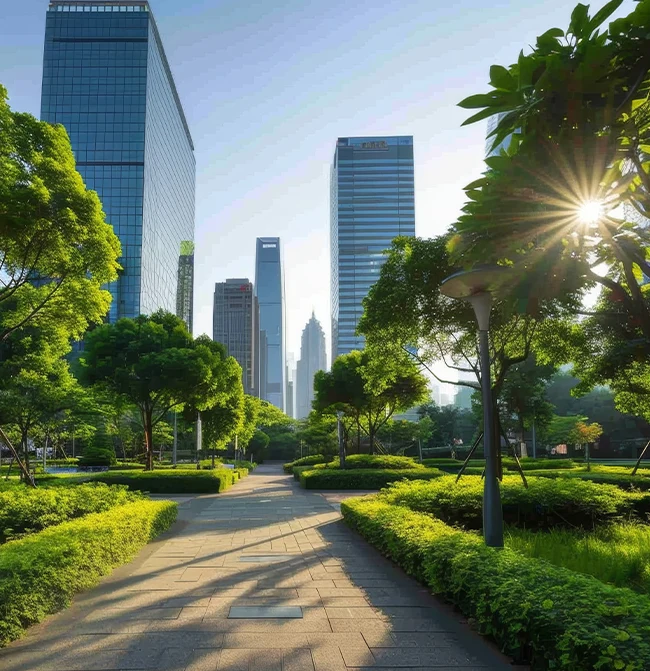
Smart urban planning innovations
Smart city grids integrate IoT sensors to enhance metropolitan living.
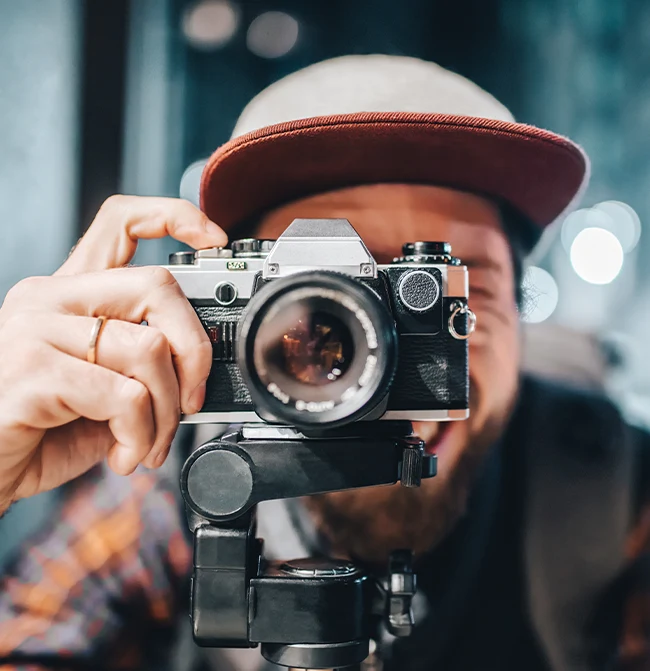
Fine art architectural photography
Fine art photographers document structures, emphasizing geometric form and function.

3D architectural rendering
3D modeling tools permit detailed visualization of architectural concepts.
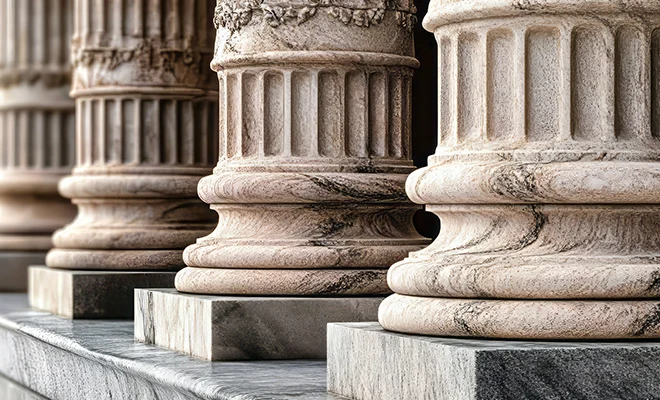
Historic landmark preservation
Heritage conservation balances structural modernization with historical preservation.
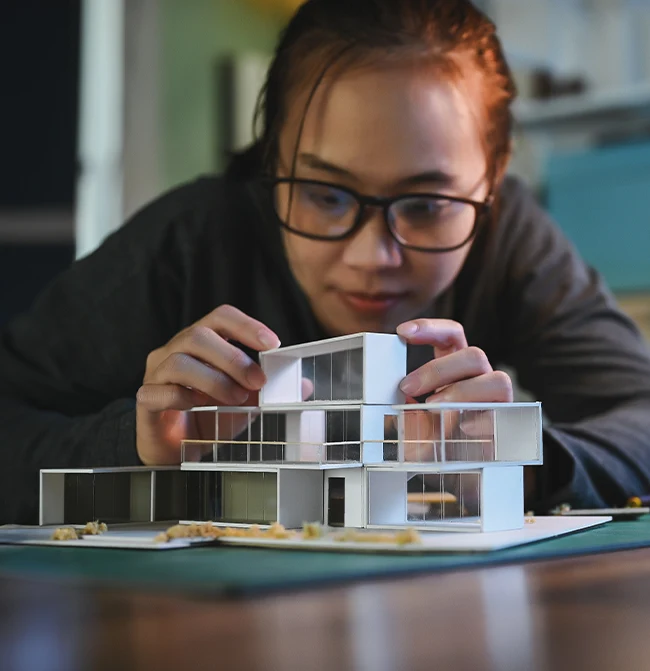
Visual arts and design education
Curricula offer interdisciplinary studies in architecture and visual arts.
Digital art archiving and preservation
New media and digital art: archiving the ephemeral
Digital art conservation challenges
As digital media dominates, preserving time-based media creates challenges. Cultural institutions implement archival strategies to guarantee the longevity of born-digital works, from interactive code to generative algorithm art.
Digital asset management evolves for new media. These interfaces allow curators to archive, stage, and contextualize virtual exhibits in hybrid spaces, ensuring the creator’s intent persists across varied hardware ecosystems.